Showing posts with label page. Show all posts

Saturday, November 18, 2017

Image from page 168 of "American homes and gardens" (1905)

(Posted from China Injection Mold blog)

A few nice china mould images I found:


Image from page 168 of “American homes and gardens” (1905)
china mould
Image by Internet Archive Book Images
Identifier: americanhomesgar41907newy
Title: American homes and gardens
Year: 1905 (1900s)
Authors:
Subjects: Architecture, Domestic Landscape gardening
Publisher: New York : Munn and Co
Contributing Library: Smithsonian Libraries
Digitizing Sponsor: Biodiversity Heritage Library


View Book Page: Book Viewer
About This Book: Catalog Entry
View All Images: All Images From Book


Click here to view book online to see this illustration in context in a browseable online version of this book.


Text Appearing Before Image:
rked: I havescarcely a piece that properly belongshere. We shall have to live up tothis house by slow degrees. Butbetter this way than to have a repre-sentative collection of historicalfurniture in a poor architectural set-ting. That is an almost hopelessanachronism because it is practicallyimpossible to do anything with thehouse, especially if the furniture beof the vintage of say 1875. Everycultivated person, nowadays, is afurniture collector who is constantlyweeding out and improving his stock.Another decided advantage thearchitect had was permission to usethe small sized lights in the loweras well as the upper half of thewindows. Not many of an archi-tects patrons will readily agree tothis, and he often had much con-cern how to gain the atmosphere sonecessary to ones happiness with the big sheets of plate glassclients have demanded. Indeed the sash bars do not obscurethe vision as is always argued, more than ones vision isobscured by the projection of the nose. One may look cross-


Text Appearing After Image:
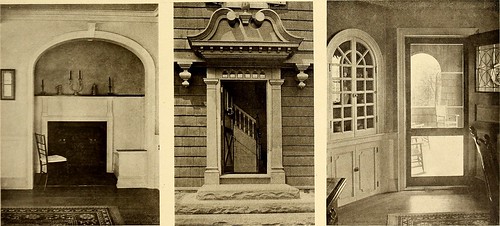
An Artistic Inglenook in the Dining-room Hasa Paneled Seat and a Colonial Mantel A Stairway Within the Stately Doorway Isthe Feature of the Paneled Hall A Quaint China Cabinet Is Built in the Cornerof the Dining-room it, and that is a development of our own day, but with sev-eral advantages, the two piers being united by an arch in theattic. We do not expect every one, however, to note all the his-torical development which has been faithfully carried out inthis Highland Mills cottage. The orthodox details, oneafter another, will impress themselves upon the much in-terested reader, such as the overhanging upon which he willone day discover the molded chamfers which, to give themill that did the work due credit, are beautifully executed,likewise the molded drops, all very satisfactory. The ex-periments of the interior were not less successful, but are eyed, and encounter the objection, but one does not care tolook cross-eyed habitually. It all depends upon the point offocus chosen. Ther


Note About Images
Please note that these images are extracted from scanned page images that may have been digitally enhanced for readability – coloration and appearance of these illustrations may not perfectly resemble the original work.


Image from page 130 of “History of art” (1921)
china mould
Image by Internet Archive Book Images
Identifier: historyofar02faur
Title: History of art
Year: 1921 (1920s)
Authors: Faure, Elie, 1873-1937 Pach, Walter, 1883-1958
Subjects: Art
Publisher: New York and London : Harper & brothers
Contributing Library: PIMS – University of Toronto
Digitizing Sponsor: University of Toronto


View Book Page: Book Viewer
About This Book: Catalog Entry
View All Images: All Images From Book


Click here to view book online to see this illustration in context in a browseable online version of this book.


Text Appearing Before Image:
Buddhist Art. Lacquered wood. {Louvre.) concealed from Western eyes the true nature of Japan,the Occident was astonished at the speed with which entire chapter, as also all the others treating of the non-European arts, inthe volume devoted to the Middle Ages, which should be looked upon as astate of mind rather than as a historical period. It is to be observed, how-ever, that Japanese individualism tends, from the fifteenth century onward,as in the Occident, to detach itself from the religious and philosophic synthesis which characterizes the mediaeval spirit. JAPAN 103 Japan assimilated the external form of the Europeancivilizations. At a bound it covered the road that wehad taken four hundred years to travel. The Occident


Text Appearing After Image:
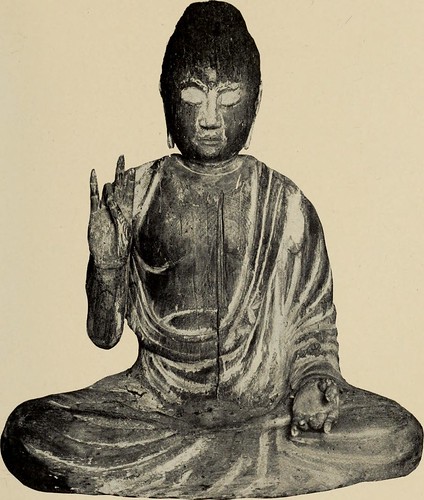
Buddhist Art. Buddha. Wooden statue. {Louvre.) could not understand. It thought the effort dispro-portionate to the means and destined to failure. Ittook for servile imitation the borrowing of a methodwhose practical value Japan could appreciate before 104 MEDIAEVAL ART she utilized it, because old habits of artistic and meta-physical abstraction had prepared the mind of thepeople for Western ideas. Under her new armamentof machines, of ships, and of cannons, Japan retainedthe essentials of what had constituted and what stillconstitutes her strength — her faith in herself, hercontrolled passion, her spirit of analysis and recon-struction. The reproach addressed to Europeanized Japan isnot new. She had been accused of acquiring from China—and through China from India—her religion, herphilosophy, her art, and her political institutions,whereas she had transformed everything, recast every-thing in the mold of a savagely original mind. If onewere to go back to the sources of history


Note About Images
Please note that these images are extracted from scanned page images that may have been digitally enhanced for readability – coloration and appearance of these illustrations may not perfectly resemble the original work.


Read more about Image from page 168 of "American homes and gardens" (1905)

Tuesday, August 22, 2017

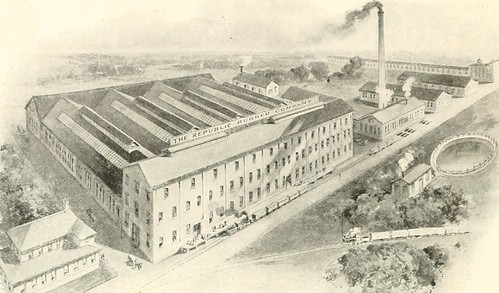
Image from page 521 of "India rubber world" (1899)

(Posted from China Injection Mold blog)

Some cool mould manufacturer factory images:


Image from page 521 of “India rubber world” (1899)
mould manufacturer factory
Image by Internet Archive Book Images
Identifier: indiarubberworld31phil
Title: India rubber world
Year: 1899 (1890s)
Authors:
Subjects: Rubber industry and trade
Publisher: [Philadelphia, Bill Brothers Publishing Corp.]
Contributing Library: The LuEsther T Mertz Library, the New York Botanical Garden
Digitizing Sponsor: The LuEsther T Mertz Library, the New York Botanical Garden


View Book Page: Book Viewer
About This Book: Catalog Entry
View All Images: All Images From Book


Click here to view book online to see this illustration in context in a browseable online version of this book.


Text Appearing Before Image:
REVISED PRICE LIST :b..^iil-:e]-2-s i^tt^ibibis ibisiijsxies PER DOZ.Baileys Rubber Bath Brush, .20 ** * Shampoo 6.60 ** Complexion 4.40 Petite Complexion Brush, 2.00 Facial Brush, 4.40 Hand 4.40 Toilet 2.20 Tooth Na I, 2.20 Bai PER DOZ.eys Rub.Tooth Brush, No. 2, J2.75 Manicure Brush, 220• Sewing Fingers, 3.85 gro Teething Ring, Heel Cushion, Soap Dishes, Trumpet, Bubble Blower, .822.202.201.20 .82 PER DOZ. Baileys Rub. Glove Cleaner, $ .82 Masge Roller, 4.40 doz Duplex BodyComplexion Soap,Skin Food, 8.80 doz. 17.60 doz, • 75 doz. 4.00 doz. Baileys Wont Slip Crutch Tip, (all sizes) .10 per doz. All Goods sent prepaid by us. C. J. BAILEY & CO. MANUFACTURERS AND PATENTEES Size 3 X 5 in. 22 BOYLSTON STREET BOSTON MASS. U. S. A. XVI THE INDIA RUBBER WORLD [April i, 1905. THE REPUBLIC RUBBER COMPANY YOUNGSTOWN, OHIO.


Text Appearing After Image:
THE HOST MODERN MECHANICAL RUBBER GOODS FACTORY IN EXISTENCE. THE MITZEL RUBBER CO. ARRON, O., u s A. Factory: Carrollton, O. HigK Grade SEAMLESS, SEAMCD AND MOULDED GOODS Goods for CUSTOMERS HXCUUSIVELT a Specialty ALL GOODS GUARANTEEDWrite for Samples and Prices Mention The India Rubber World wTien vaa, write. THE PURE GUM SPECIALTY CO., B A R B E RTO N , OHIO. MANUFACTURERS DRUGGISTS RUBBER SUNDRIES AIR GOODS. CORRESPONDENCE SOLICITED. MATTSON RUBBER CO. Office and Factory, No. 26 West Broadway, N. Y. ESTABLISHED 187S Moulded and Special Rubber Goods 1702-10 Randolph st., Stamp Gum and Sponge Rubber Rubber Goods for Hat Manufacturers UnvulcanizedCompoundsforthe Trade Dress Shield Materials, Etc. Correspondence solicited SYRINGE BOXES OF WHITE WOOD, BASS, OAK, ASH, &c FINEWORK.. LOW PRICES PROM PT SH IPMENT. Estimates and Samples Furnished on Application. ALaO ANY OTHER KINO OF FANCY WOOD BOXES MADE TO ORDER Extensive Facilities enable us to Guarantee Satisfaction. Henry H. Shel


Note About Images
Please note that these images are extracted from scanned page images that may have been digitally enhanced for readability – coloration and appearance of these illustrations may not perfectly resemble the original work.


Read more about Image from page 521 of "India rubber world" (1899)

Monday, July 24, 2017

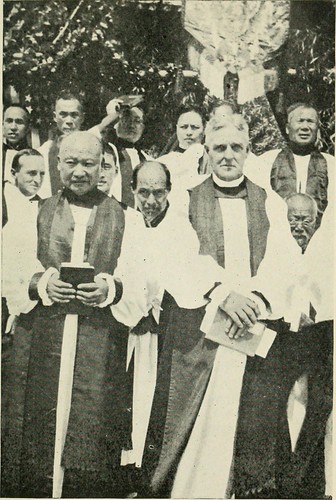
Image from page 250 of "New life currents in China" (1919)

(Posted from China Injection Mold blog)

Some cool china plastic mold images:


Image from page 250 of “New life currents in China” (1919)
china plastic mold
Image by Internet Archive Book Images
Identifier: newlifecurrentsi00game
Title: New life currents in China
Year: 1919 (1910s)
Authors: Gamewell, Mary Louise Ninde, 1858-1947
Subjects: Missions — China China
Publisher: New York : Missionary Education Movement of the United States and Canada
Contributing Library: University of California Libraries
Digitizing Sponsor: MSN


View Book Page: Book Viewer
About This Book: Catalog Entry
View All Images: All Images From Book


Click here to view book online to see this illustration in context in a browseable online version of this book.


Text Appearing Before Image:
missionaries, though they may have lived long inChina, may understand the people well, and speakthe language fluently, are in the end still—foreigners. The Development of a Chinese Church The Conquering Church in China, I havecalled this chapter because that is the churchsmission and character, conquering and to conquer.It has many elements of strength; it has somedefects. But the church is young and because it isyoung it is plastic. God grant that in these criticaltimes, when, as a Chinese scholar expressed it, The atmosphere is aquiver with the spirit ofchange, the church may be set in the right mold I The trend of the church is more and more awayfrom foreign control and toward an independentorganization, self-supporting and self-governing.This is not because of a dislike for foreigners, butit springs from a conviction that the time has nowcome when the Chinese are in a position to moveforward and assume larger leadership. The callis for an indigenous church, not one imported; for


Text Appearing After Image:
A group of the clergy at the consecration of Bishop Tsae SengSing of the Anglican Church. This first Chinese bishop is theson of a clergyman and the father of three missionaries. THE CONQUERING CHURCH IN CHINA 205 a religious life adapted to the psychology of theFar East. Dr. C. Y. Cheng, Chinese Secretary ofthe China Continuation Committee, splendidlyvoiced the general thought in a paper he read lastsummer at a missionary conference. Christianityin China, he said, will become Chinese Chris-tianity. We are to present Jesus Christ to thepeople not as a Jewish Messiah, or a EuropeanChrist, but as a real Chinese Savior. There are in China a few congregations, of com-paratively recent date, known as the ChineseChristian Church. Some speak of them as the Independent Church. The Chinese say thisname is misleading inasmuch as foreigners are wel-comed in the councils of these churches in anadvisory capacity. Nor do they like another termsometimes used, the National Church, for as theleaders e


Note About Images
Please note that these images are extracted from scanned page images that may have been digitally enhanced for readability – coloration and appearance of these illustrations may not perfectly resemble the original work.


Read more about Image from page 250 of "New life currents in China" (1919)

Sunday, July 9, 2017

Image from page 128 of "Transactions of the Bristol and Gloucestershire Archaeological Society" (1912)

(Posted from China Injection Mold blog)

Some cool pipe mould maker images:


Image from page 128 of “Transactions of the Bristol and Gloucestershire Archaeological Society” (1912)
pipe mould maker
Image by Internet Archive Book Images
Identifier: transactionsofbr35bris
Title: Transactions of the Bristol and Gloucestershire Archaeological Society
Year: 1912 (1910s)
Authors: Bristol and Gloucestershire Archaeological Society. cn
Subjects: Bristol and Gloucestershire Archaeological Society
Publisher: Bristol, Eng. : The Society
Contributing Library: Allen County Public Library Genealogy Center
Digitizing Sponsor: Internet Archive


View Book Page: Book Viewer
About This Book: Catalog Entry
View All Images: All Images From Book


Click here to view book online to see this illustration in context in a browseable online version of this book.


Text Appearing Before Image:
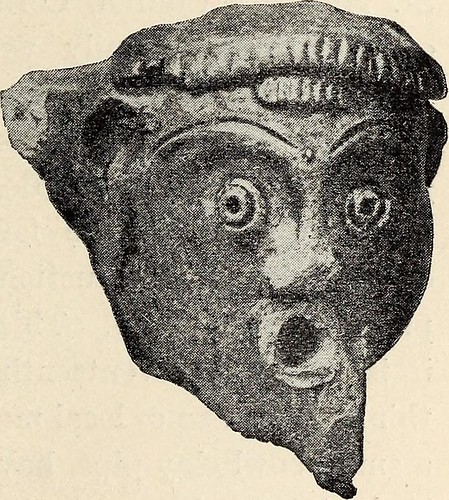
bird in raised ornamentation,the sides of the neck of the vessel being decorated with shortraised loops, and the body covered with a conventionaldesign in low relief. In size the perfect pitcher must havestood at least 14 to 16 in. in height (see illustrations). The Norman potters were certainly very original in theirwork, and the fragments, which are pieced together as far aspossible, show much quaintness in design. I do not remembera vessel in any of the London or provincial museums at allsimilar. Many other fragments were found of early mediaevalpottery, including a darkgreen glazed head forming the mask lip of yet anotherpitcher. It is a curiously boldpiece of moulding and veryecclesiastical in character, forthe head is depicted wearinga tonsure (see illustration). We naturally wonder if theartist – potter modelled thesevessels to order, or if theywere the working of his ownfertile brain ; and also inwhat houses in this Norman town they were in use beforegetting so badly smashed.


Text Appearing After Image:
too < Transactions for the Year 1912. A fragment of a fourteenth or a fifteenth-century inlaidpavement tile, doubtless thrown out from one of the old city•churches, and the following various items, all came to handfrom another rubbish pit:— A seventeenth-century iron stirrup. An iron bullet, ^-in. diameter. Two clay tobacco pipes bearing the initials N.M.on the heels, which is a makers mark not previouslyrecorded. A Gloucester Traders Token, bearing on the obverse : LVKE . NOVRSE . MAIOR . 1657 1 = C. G. (City of Gloucester). A small R the initial of Thomas -Rawlins the engraver, beneath the letters. On the reverse : for . necessary . CHANGE=Armsof the City of Gloucester ; three chevrons betweenten torteaux. The issuer of this token was Mayor of the City in 1644,the same year in which Toby Jordan (one of the messengerswho carried the answer of the citizens to King Charles Iin Tredworth Field, when he summoned the city tosurrender) was Sheriff. Luke Nourse was elected Mayoragain


Note About Images
Please note that these images are extracted from scanned page images that may have been digitally enhanced for readability – coloration and appearance of these illustrations may not perfectly resemble the original work.


Bristol trade directory 1871 – Dress makers & Milliners
pipe mould maker
Image by brizzle born and bred

Millinery and dressmaking constituted the higher end of female employment with the needle; they were "respectable" occupations for young women from middle-class or lower middle-class families. The number of women involved in dressmaking alone in the early 1840s was estimated to be 15,000.


Bristol Dress Makers


Allen Mrs. 55 St. Michael’s hill

Baker M. 54 Bellevue crescent

Ball Miss, Regent street

Beard L. E. 25 Thrissell street

Beer Harriet, 53 Mead street

Bethell Mrs. Redcliff hill

Bruton H. 39 Triangle

Butcher C. 1 Redcross street

Butcher H. and A. 16 Orchard street

Canning Miss M. 35 College street

Cantle Mrs. 2 Lansdown terrace

Carpenter A. 13 College street

Cawless Miss, 28 Trinity street

Chedzoy and Allen, 7 Picton street

Cole Ann, 3 Upper Wells street

Cole Mrs. 10 Alfred place

Coombs Mrs. 39 Park street

Cottle Miss C. 5 Eldon place

Davey M. K. 5 Low. St. Michael’s hill

Davis Mrs. Wells street, Culver street

Davis Mrs. 6 Ellenborough place

Downs Miss C. 45 Woolcott buildings

Ellis Miss. 10 Regent street, Clifton

Ellison Mrs. 6 St. James’s square

Fairbrother Mrs. Tankard’s close

Farrow Miss H. 1 Cotham side

Felton Ann, Lower Castle street

Ferguson M. 4 Alfred place, Kingsdown

Ford Miss, Portland Place

Gallo M. 9 Grove p ace, Redland

Gast 21 South place, New river

Gillard E. 18 Denbigh street

Gitson Mrs. 5 Castle green

Griffin Mrs. 15 Dove street

Gummer Mrs L. 7 Cheltenham bldgs

Hanson Mrs. Kinburn cottage, Belgrave rd

Harper E. Queen’s road

Harrison H. M. 33 Upper Arcade

Harvey Miss, 4 Lower Westfield place

Hay E. Terrell street

Healls Miss, 12 Horfield road

Hillier Elizabeth, Lodge street

Holesgrove Misses, 38 College green

House Mrs. Portwall lane

Howell Miss, Regent street

Hurd Miss C. 1 Waterloo street

Hyatt Mrs R. P. Upper Victoria place

Jolly and Son, 43 College green

Keel Miss, Gloster street, Clifton

Kellaway Mrs G. 12 Oakfield place, Clifton

Kernick Mrs. 27 Triangle

King Mrs J. 30 Clarence place

Lambert Mrs. Elton place

Lang Miss L. H. Portland place

Lawless Miss Harriet, Hampton place

Lewis Miss, 9 Dover place

Lewis Miss, 24 Clifton wood crescent

Michell Sarah, 3 St Andrew’s bldgs

Moody Mrs. 5 York buildings

Moore Miss, 49 Thrissell street

Morgan Miss, 47 Park street

Morgan Miss, St Michael’s hill

Moulding Miss, 12 Stokes croft

Mountsteven A. 22 The Triangle

Newman J. 24 Ninetree hill

Newman Miss, 9 Stanley terrace

Owen and Hathaway, 4 College green

Pain Miss, 24 Paul street, Kingsdown

Parsons J. 50 Bellevue crescent

Penny Miss ll Wellington terrace, Clifton

Phillips Mary Ann, 40 Milk street

Pile Mrs. 19 Osborne terrace, Totterdown

Roberts Miss, 12 Highland place

Rogers Miss, Egerton road

Sellick Miss, 3 Old park hill

Smith the Misses, 7 North street

Sollis E. and A. Lower College green

Sully F. J. Somerset street, Cathay

Spark and Tait, 32 College green

Thomas E. 21 Lower Arcade

Thomas Mary, Whitson street

Thresher Miss, 16 College green

Treadwell Mrs. 50 St. Michael’s hill

Waite Mary Ann, 5 Devonshire terrace

Ward S. and C. 3 Ruysdael place

White Paulina, 5 Somerset crescent

Whitmarsh Mrs. W. 13 Kingsdown parade

Williams Louisa, East Redcliff crescent

Windsor Mrs. 8 Sunderland terrace

Wren Misses, Totterdown


Dressmakers’ Pattern Maker


Williams David, 8 Brunswick place, Hotwells


Milliners


A milliner is a hat maker. This was a very important trade in Victorian times. If you look at Victorian photographs you will find that you rarely see anyone outside without a hat.


In Victorian times ordinary working people got all their clothes locally (or made their own). The dressmakers listed here would have been kept busy.


Adams Louisa, 26 Park street

Adams Mrs. 6 Cumberland street

Allen Misses, 1 Bedford view

Avins Mrs. Oxford street, Totterdown

Bailey Mrs. 3 Ninetree hill

Baker Mrs. 34 The Triangle

Barnes Miss, 20 Thomas street

Bartlett R. C. 58 Redcliff street

Bartley Mrs. 33 Paul street

Bendall Mrs E. George st. Bedminster

Bolwell T. 21 Redcliff street

Bolwell Thomas, 4 Peter street

Bond Mrs. 9 Hampton terrace, Totterdown

Bond Mrs. Lower Clifton hill

Bound E. 1 Union street

Carter Elizabeth, 11 East Redcliff crescent

Choffin Mrs. 35 Upper Arcade

Clarke Alfred, 4 Old King street

Coombs & Morgan, 17 Harford street

Coombs Mrs, 39 Park street

Cooper Elizabeth, 29 Lower Arcade

Davis Mrs, 28 St Michael’s hill

Dimond M. 15 Bedminster causeway

Dowell J. H. 67 West street

Drinkwater and Son, 6 High street

Duck Mrs, 124 Thomas street

Dunn Mrs. Pipe lane, St Augustine’s

Edmonds Mrs. 12 Alfred place

Floyd Mrs. 1 Lower Arcade

Gibbs Mrs. 5 Elton place

Gibson Hannah, 11 Rosemont terrace

Gravell E. 2 Clarence road

Gray and Co. 28 Wine street

Harris Mrs Charles, Denmark house, Wells road

Harvey Miss, 4 Lower Westfield place

Harvey Mrs. 25 Elton place

Hatherley E. & M. 23 Cumberland st

Heall G. 1 John street, Easton

Heard William, 3 Upper Arcade

Hill Miss, 6 Upper Maudlin street

Holesgrove the Misses, 38 College green

Hooper M. A../19 Broadmead

Hooper Miss, Wellillgton place

Houston and Burgess, 28 The Triangle

Howell Mrs R. 9 Spring st. Bedminster

Humphries Miss M. King square avenue

Hutton Mrs. 8 Dover place

Iles Mrs. Egerton road

Jennings Miss, 6 Stoke’s croft

Jolly and Son, 43 College green

Jones A. and M. 3 Claremont buildings

Jones Misses, 25 The Triangle

Kernick Miss, 24 The Triangle

Kittyle Misses, 5 St Michael’s park

Lapworth Miss, Shortgrove, Durdham down

Lasbury S. 3 Orchard st. St. Philip’s

Lee Mrs. Paul street

Lee Mrs. Abbotsham place

Levy Miss, 3 Bridge street

Lilly S. & M. 3 Osborne terrace, Totterdown

Light L. 18 Upper Arcade

Linklater T. 129 Whiteladies road

Lodge J. and Co. .49 Wine street

Loosemoore Misses, 7 Unity street

Lucas Miss, Mansion house avenue

Maggs Mrs. F. 39 Castle street

Maishman A. T. 11 and 12 Wine street

Marshall Mrs. 10 Norfolk street

Martin Miss, Royal Prom. Queen’s rd.

May Miss R. Shortgrove, Durdham down

Meek Mrs. The Triangle, West

Mitchener Mrs. 8 Gloster street

Morgan Miss, 1 St. Michael’s hill

Naish Jane, 1 St. James’s parade

Newman Miss Julia Ann, Ninetree hill

Oxley Mrs. 4 Granby place

Pope Mrs. St Augustine’s place

Prestidge Miss, 30 Montague hill

Richards Mrs. 12 Mall place

Roberts Mrs. 12 Highland place

Rogers Mary, 5 Raglan place

Saunders John Edwin, 17 Castle street

Simpson Miss, 55 Park street

Skewes Mary Ann, 9 Devonshire terrace

Slade Eliza and Ann, Surrey street

Slade Misses, 59 Park st

Smith Mesdames, 7 North street

Smith Misses, 33 Park street

Sowden Miss, 7 Wellington place

Stone Miss E. L. 9 Prince st, St Paul’s

Sullivan Mrs. Anjer’s rd, Totterdown

Sully Miss, 3 Hanmer’s buildings

Summers Mrs M. 83 Redcliff street

Sydenham Mrs J. 112 Wellesley place

Symes Miss, 3 Manor buildings

Tarver Miss, Garibaldi bldgs, Knowle

Taylor J. F. 34 College green

Tennell A. A. Portland street

Tovey M. and F. Stapleton road

Tripp Miss Sarah, 45 Whiteladies road

Turner H. 22 Lower Arcade

Voisey and Healls, 3 Dover place

Wainwright Miss, 10 Orchard street

Wall M. A. 9 St. James’s churchyard

Watson Mrs. 19 Meridian place

Wayland Miss, 19 Lower Arcade

Webb and Thomas, 10 Redcliff hill

Wellington E. 77 Stoke’s croft

Weston Stephen, 34 Wine street

Westbury Mrs. 16 Southampton par.

Willey and Davis, 2 Clifton place, Clifton

Williams Mrs M. 18 Camden terrace

Windsor Mrs. 8 Sunderland terrace

Wyatt Mrs. 16 Paul street, Portland sq

York Mrs. Ann, 12 St. Michael’s hill


Read more about Image from page 128 of "Transactions of the Bristol and Gloucestershire Archaeological Society" (1912)

Friday, June 30, 2017

Image from page 144 of "The ancient cities of the New World : being travels and explorations in Mexico and Central America from 1857-1882" (1887)

(Posted from China Injection Mold blog)

A few nice china pipe molds images I found:


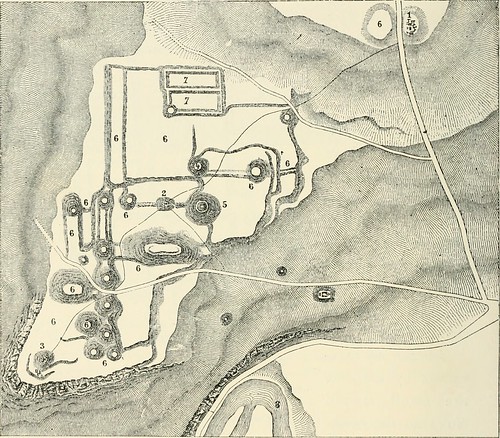
Image from page 144 of “The ancient cities of the New World : being travels and explorations in Mexico and Central America from 1857-1882” (1887)
china pipe molds
Image by Internet Archive Book Images
Identifier: ancientcitiesofn00char
Title: The ancient cities of the New World : being travels and explorations in Mexico and Central America from 1857-1882
Year: 1887 (1880s)
Authors: Charnay, Désiré, 1828-1915
Subjects: Indians of Mexico Indians of Central America
Publisher: London : Chapman and Hall
Contributing Library: Getty Research Institute
Digitizing Sponsor: Sloan Foundation


View Book Page: Book Viewer
About This Book: Catalog Entry
View All Images: All Images From Book


Click here to view book online to see this illustration in context in a browseable online version of this book.


Text Appearing Before Image:
aight and curv^ed water-pipes, vases andfragments of vases, enamelled terra-cotta cups, bringing to mindthose at Tenenepanco; seals, one of which (an eagles head) I hadengraved for my personal use ; bits which were curiously like old Palpan and the Toltecs. 107 Japanese china ; moulds, one having a head with a huge plait andhair smoothed on both sides of her face, like an old maid ;besides innumerable arrow-heads and knives of obsidian strewingthe ground. In fact, a whole civilisation. This house, the first it was our fortune to discover, was builton a somewhat modified natural elevation ; the various apart-ments follow the direction of the n ■;.a^^j^fe:;^«^:^,,,,,, „„_^ ■ ■ – ■ ^■^^■^fe^^a ground and areranged on dif-ferent levels, num-bering from zeroelevation for thelowest to 8 ft.for the highest.The walls areperpendicular, theroofs flat ; and athick coatino- ofcement, the sameeverywhere, wasused, whether forroofs, ceilings,floors, pavements,or roads. On examininof


Text Appearing After Image:
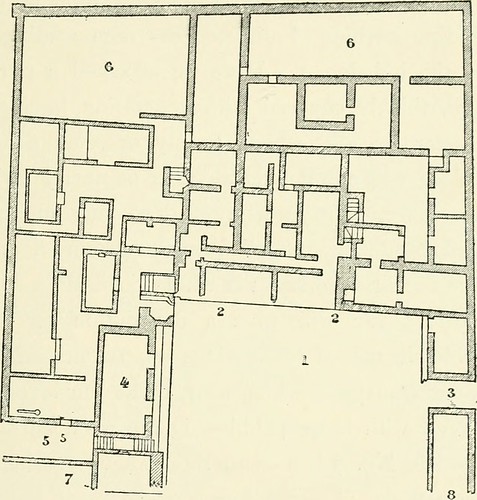
GROUND PLAN OF TOLTEC PALACE UNEARTHED AT TULA (LEMAIRE). No. I. Principal Court. No. 2, Facade. No. 3, Entrance. No. 4,Reception Apartment. No. 5, Ruined W^all. No. 6, Enclosuresfor Animals. No. 7, Right W^ing of the Palace. No. 8, LeftWing. the monuments at Tula, we are filled with admiration for themarvellous building capacity of the people who erected them ;for, unlike most primitive nations, they used every material atonce. They coated their inner walls with mud and mortar,faced their outer walls with baked bricks and cut stone, hadwooden roofs, and brick and stone staircases. Thev were io8 The Ancient Cities of the New World. acquainted with pilasters (we found them in their houses), withcaryatides, with square and round columns ; indeed, they seem tohave been familiar with every architectural device. That theywere painters and decorators we have ample indications in thehouse we unearthed, where the walls are covered with rosettes,palms, red, white, and gray geometrical figures


Note About Images
Please note that these images are extracted from scanned page images that may have been digitally enhanced for readability – coloration and appearance of these illustrations may not perfectly resemble the original work.


Image from page 143 of “The ancient cities of the New World : being travels and explorations in Mexico and Central America from 1857-1882” (1887)
china pipe molds
Image by Internet Archive Book Images
Identifier: ancientcitiesofn00char
Title: The ancient cities of the New World : being travels and explorations in Mexico and Central America from 1857-1882
Year: 1887 (1880s)
Authors: Charnay, Désiré, 1828-1915
Subjects: Indians of Mexico Indians of Central America
Publisher: London : Chapman and Hall
Contributing Library: Getty Research Institute
Digitizing Sponsor: Sloan Foundation


View Book Page: Book Viewer
About This Book: Catalog Entry
View All Images: All Images From Book


Click here to view book online to see this illustration in context in a browseable online version of this book.


Text Appearing Before Image:
foundhere materials readyto hand for theirconstructions. I began my exca-vations by soundingthe small moundNo. I to the north-east, where the side of a wall was visible ; and I found everywhere the ground con-necting houses, palaces, and gardens, thickly coated with cement ;but in the inner rooms the flooring was of red cement. Therubbish was cleared away, and in a few days a complete housewas unearthed, consisting of several apartments of various size,nearly all on different levels; having frescoed walls, columns,pilasters, benches, and cisterns, recalling a Roman implMvium, GROUND PLAN OF FIRST TOLTEC HOUSE UNEARTHED AT TULA(FROM LEMAIRE). A, Cisterns. B, Various Apartments. C, Kitchen.D, Seats. E, Entrance. io6 The Ancient Cities of the New World. whilst flights of steps and narrow passages connected the variousapartments. We had brought to Hght a Toltec house! I picked out of the rubbish many curious things : huge bakedbricks, from one foot to nine inches by two and two and a half


Text Appearing After Image:
ri.AN OF THE HIl.L AT TULA (ANCIENT TALTAN). No. I, Excavations of Toltec House. No. 2, Tomb Excavated. No. 3, Palace Excavations.Nos. 4 and 5, Pyramids of Sun and Moon. No. 6, Esplanades and Mounds, Sites of AncientDwellings. No. 7, Tlachtli, Tennis-Court. No. 8, Tula River, in thickness ; filters, straight and curv^ed water-pipes, vases andfragments of vases, enamelled terra-cotta cups, bringing to mindthose at Tenenepanco; seals, one of which (an eagles head) I hadengraved for my personal use ; bits which were curiously like old Palpan and the Toltecs. 107 Japanese china ; moulds, one having a head with a huge plait andhair smoothed on both sides of her face, like an old maid ;besides innumerable arrow-heads and knives of obsidian strewingthe ground. In fact, a whole civilisation. This house, the first it was our fortune to discover, was builton a somewhat modified natural elevation ; the various apart-ments follow the direction of the n ■;.a^^j^fe:;^«^:^,,,,,, „„_^ ■ ■


Note About Images
Please note that these images are extracted from scanned page images that may have been digitally enhanced for readability – coloration and appearance of these illustrations may not perfectly resemble the original work.


Image from page 490 of “The fireside university of modern invention, discovery, industry and art for home circle study and entertainment” (1902)
china pipe molds
Image by Internet Archive Book Images
Identifier: firesideuniversi01mcgo
Title: The fireside university of modern invention, discovery, industry and art for home circle study and entertainment
Year: 1902 (1900s)
Authors: McGovern, John. [from old catalog]
Subjects: Science
Publisher: Chicago, Union pub. house
Contributing Library: The Library of Congress
Digitizing Sponsor: The Library of Congress


View Book Page: Book Viewer
About This Book: Catalog Entry
View All Images: All Images From Book


Click here to view book online to see this illustration in context in a browseable online version of this book.


Text Appearing Before Image:
ages under misleading names, and real China-ware—the first of the famous Dresden China—began to come outof the fortress. At the Worlds Fair of 1893, the Royal Saxon CHINA. 445 potteries exhibited their manufactures, but their art seemed tohave developed into the making of artificial flowers rather thantable ware. The great Porcelain Porch, in the Imperial GermanExhibit, outdid the famous Porcelain tower of Man-King inChina. Did Bottichers secret escape ? Yes. The Emperor of Austria finally founded a factory atVienna, but it never succeeded fully. To start it, a workmanescaped from the prison-like works at the castle of Meissenabout ten years after the first Porcelain was made. The Vien-nese royal pottery ran, however, till 1864. When did the King of France start his Porcelain Factory ? In 1753, when a semi-private factory at Vincennes was removedto the town of Sevres, in the suburbs of Paris. The Frenchchemists actually prepared an artificial Kao-lin, and used it for -m~*-^^ ~f—


Text Appearing After Image:
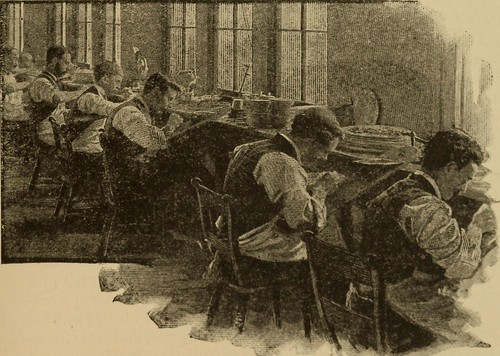
Fig. 167. GILDING THE PORCELAIN. 446 THE FIRESIDE UNIVERSITY. the biscuit until the German secret came out and French Kao-linwas found, in 17 – H, -Hn ynadet White sand, 60; nitre. 22 : sal:. 7.2 ; alum, $ -6 S soda, 3.6 ;gvpsum, 3.6. This compound was roasted at a high tempera-ture, then ground to a fine powder, and washed with boilingwater. To nine parts of this mixture, or frit, two parts of chaand one of a pipe-clay were added. This mixture was againground, and passed through silk sieves. It was mixed formolding with water and soap or size, and in this condition wasoperated on by the potter. How docs the Sevres Potter proceed t If making a set of plates or saucers, he takes the potterswheel, exactly as the later Egyptians did, and turns it withhis feet. A mold of a plate is set on the wheel. Forillustration, let us (incorrectly) suppose it be a plate exactly 1the one he is to produce on the wheel. The mold, then, isturned bottom upward. On the bottom of the mold, he spreadsa very t


Note About Images
Please note that these images are extracted from scanned page images that may have been digitally enhanced for readability – coloration and appearance of these illustrations may not perfectly resemble the original work.


Read more about Image from page 144 of "The ancient cities of the New World : being travels and explorations in Mexico and Central America from 1857-1882" (1887)

Tuesday, June 13, 2017

Image from page 76 of "The year"s at the spring; an anthology of recent poetry" (1920)

(Posted from www.injectionmouldchina.com)

Some cool removing black mold images:


Image from page 76 of “The year’s at the spring; an anthology of recent poetry” (1920)
removing black mold
Image by Internet Archive Book Images
Identifier: yearsatspringant00walt
Title: The year’s at the spring; an anthology of recent poetry
Year: 1920 (1920s)
Authors: Walters, L. D’O. (Lettice D’Oyly), b. 1880 Clarke, Harry, 1889-1931, ill Monro, Harold, 1879-1932 Brooke, Rupert, 1887-1915 Davies, W. H. (William Henry), 1871-1940 De la Mare, Walter, 1873-1956 Hardy, Thomas, 1840-1928 Hodgson, Ralph, 1871-1962 Masefield, John, 1878-1967 Stephens, James, 1882-1950 Yeats, W. B. (William Butler), 1865-1939
Subjects: English poetry
Publisher: New York : Brentano’s
Contributing Library: University of California Libraries
Digitizing Sponsor: Internet Archive


View Book Page: Book Viewer
About This Book: Catalog Entry
View All Images: All Images From Book


Click here to view book online to see this illustration in context in a browseable online version of this book.


Text Appearing Before Image:
eep ; and high places ; footprints in the dew;And oaks ; and brown horse – chestnuts, glossy-new ;—And new – peeled sticks; and shining pools on grass;—All these have been my loves. And these shall pass.Whatever passes not, in the great hour.Nor all my passion, all my prayers, have powerTo hold them with me through the gate of Death.Theyll play deserter, turn with the traitor breath,Break the high bond we made, and sell Loves trustAnd sacramented covenant to the dust.—Oh, never a doubt but, somewhere, I shall wake.And give whats left of love again, and make 63 THE • TEARS – AT • THE – SPRING New friends, now strangers. . . . But the best Ive known,Stays here, and changes, breaks, grows old, is blownAbout the winds of the world, and fades from brainsOf living men, and dies. Nothing remains. O dear my loves, O faithless, once againThis one last gift I give: that after menShall know, and later lovers, far-removed.Praise you, All these were lovely; say, Heloved. RUPERT BROOKE 64


Text Appearing After Image:
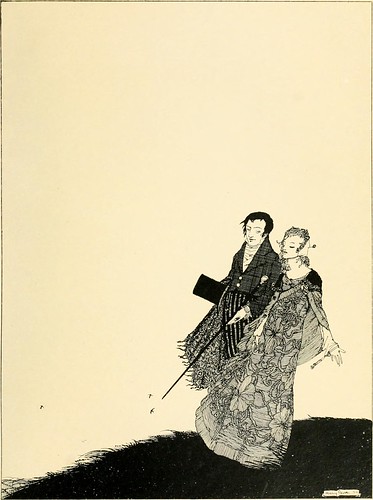
MOIST BLACK tARTHEN MOULD ; . . . AND HIGH PLACES ; FOOTPRINTS IN THE DEW 6+ THE ■ YEARS ■ AT ■ THE ■ SPRING The Soldier (F I should die, think only this of me :That theres some corner of a foreign fieldThat is for ever England. There shall beIn that rich earth a richer dust concealed ;A dust whom England bore, shaped, made aware,Gave, once, her flowers to love, her ways toroam,A body of Englands, breathing English air.Washed by the rivers, blest by suns of home. And think, this heart, all evil shed away, A pulse in the eternal mind, no less Gives somewhere back the thoughts by Englandgiven ;Her sights and sounds ; dreams happy as her day ; And laughter, learnt of friends ; and gentleness, In hearts at peace, under an English heaven. RUPERT BROOKE 65 THE ■ YEARS ■ AT ■ THE ■ SPRING By the Statue of KingCharles at Charing Cross OMBRE and rich, the skies;Great glooms, and starry plains.Gently the night wind sighs;Else a vast silence reiens. The splendid silence clingsAro


Note About Images
Please note that these images are extracted from scanned page images that may have been digitally enhanced for readability – coloration and appearance of these illustrations may not perfectly resemble the original work.


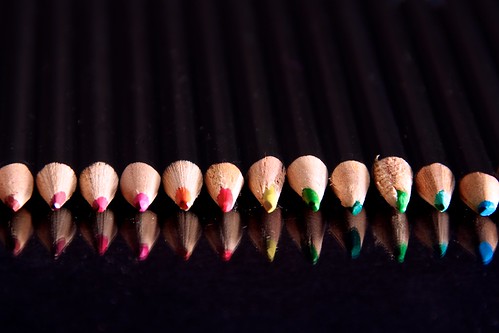
076/365 – Tools for the Young Artist
removing black mold
Image by djwtwo

Just some colored pencils that were part of Thing Two’s Christmas present for Thing One this year. These came in a nice wooden carrying case, along with pastels, watercolors, and a few other tools. I had originally planned to try and take a photo of them in the case, but there are some labels on the molded tray that aren’t that attractive but which I didn’t want to remove. Opted for this instead, a simple arrangement, almost in ROY G. BIV order. They’re sitting on a piece of thin clear plastic on top of black foam core board. Light is a CFL in a reflector to camera right, a little in front of the pencils and at about the same height to get light underneath the tips for good reflections, with me holding a sheet pan as a reflector to fill in some shadows above.


Did a little tweaking in Aperture, mostly to clone out a few dust specks here and there and to reduce some slight mottling visible in the foam core board. Cropped it a hair, too.


Nikon D7000 w/Nikkor 18-200 @ 200mm, 0.5s @ ƒ/8, ISO100, with lighting as described above.


Bio-paper bowl
removing black mold
Image by EricGjerde

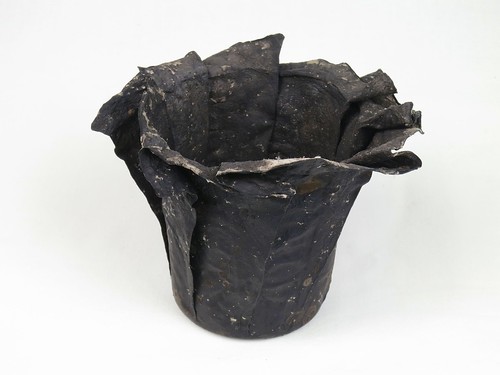
A test piece made last year, using iron to dye the bio-paper black. the sheet was then wet-molded around a cup to dry… which required re-wetting to actually remove! now it is rock hard.


further tests will be done with this method once stronger one-time molds can be found. the shrinking of the drying paper is too strong for other temporary molds and tends to crack or shatter them.


Read more about Image from page 76 of "The year"s at the spring; an anthology of recent poetry" (1920)

Friday, October 7, 2016

Image from page 170 of "Priced catalogue of artists" components : supplies for oil painting, water colour painting, china painting ... and drawing supplies for architects and engineers, manual training schools and colleges." (1914)

(Posted from www.injectionmouldchina.com)
Some cool china big size mold photos:
Image from web page 170 of “Priced catalogue of artists’ components : supplies for oil painting, water color painting, china painting … and drawing components for architects and engineers, manual coaching schools and colleges.”...
Read more on http://www.injectionmouldchina.com/image-from-page-170-of-priced-catalogue-of-artists-components-supplies-for-oil-painting-water-colour-painting-china-painting-and-drawing-supplies-for-architects-and-engineers-manual-train/

Saturday, September 24, 2016

Image from page 1324 of "The Post-Office annual Glasgow directory" (1828)

(Posted from www.injectionmouldchina.com)
Verify out these china mould maker images:
Image from page 1324 of “The Post-Workplace annual Glasgow directory” (1828)

Image by Internet Archive Book Images
Identifier: postofficeannual188182gla
Title: The Post-Workplace annual Glasgow directory
Year: 1828...
Read more on http://www.injectionmouldchina.com/image-from-page-1324-of-the-post-office-annual-glasgow-directory-1828/

Monday, September 19, 2016

Image from page 1324 of "The Post-Workplace annual Glasgow directory" (1828)

(Posted from www.injectionmouldchina.com)
Some cool mold makers in china pictures:
Image from web page 1324 of “The Post-Workplace annual Glasgow directory” (1828)

Image by Internet Archive Book Pictures
Identifier: postofficeannual188182gla
Title: The Post-Office annual Glasgow directory
Year: 1828...
Read more on http://www.injectionmouldchina.com/image-from-page-1324-of-the-post-workplace-annual-glasgow-directory-1828-2/

Sunday, September 18, 2016

Image from web page 166 of "The manufacture of rubber goods : a sensible handbook for the use of producers, chemists, and other folks" (1919)

(Posted from www.injectionmouldchina.com)
A couple of good mould companies in china photos I identified:
Image from web page 166 of “The manufacture of rubber goods : a sensible handbook for the use of producers, chemists, and other people” (1919)

Image by Net Archive Book Photos
Identifier: manufactureofrub00heil
Title:...
Read more on http://www.injectionmouldchina.com/image-from-web-page-166-of-the-manufacture-of-rubber-goods-a-sensible-handbook-for-the-use-of-producers-chemists-and-other-folks-1919/

Friday, September 16, 2016

Image from page 166 of "The manufacture of rubber goods : a practical handbook for the use of makers, chemists, and other people" (1919)

(Posted from www.injectionmouldchina.com)
Check out these mould manufacturers in china pictures:
Image from page 166 of “The manufacture of rubber goods : a sensible handbook for the use of manufacturers, chemists, and other individuals” (1919)

Image by World wide web Archive Book Photos
Identifier:...
Read more on http://www.injectionmouldchina.com/image-from-page-166-of-the-manufacture-of-rubber-goods-a-practical-handbook-for-the-use-of-makers-chemists-and-other-people-1919/

Sunday, September 11, 2016

Image from web page 1324 of "The Post-Office annual Glasgow directory" (1828)

(Posted from www.injectionmouldchina.com)
Some cool mould makers in china images:
Image from web page 1324 of “The Post-Workplace annual Glasgow directory” (1828)

Image by Internet Archive Book Pictures
Identifier: postofficeannual188182gla
Title: The Post-Workplace annual Glasgow directory
Year: 1828...
Read more on http://www.injectionmouldchina.com/image-from-web-page-1324-of-the-post-office-annual-glasgow-directory-1828/

Saturday, September 3, 2016

Image from page 1324 of "The Post-Workplace annual Glasgow directory" (1828)

(Posted from www.injectionmouldchina.com)
A couple of nice china mould maker pictures I discovered:
Image from web page 1324 of “The Post-Workplace annual Glasgow directory” (1828)

Image by Net Archive Book Pictures
Identifier: postofficeannual188182gla
Title: The Post-Workplace annual Glasgow directory
Year: 1828...
Read more on http://www.injectionmouldchina.com/image-from-page-1324-of-the-post-workplace-annual-glasgow-directory-1828/